TL;DR:
Choosing the right oral health tools is essential for preventing long-term enamel wear and gum disease. Kingston Smiles NY recommends electric toothbrushes for their superior plaque removal and pressure sensors, though manual brushes remain effective with soft bristles and proper technique. For toothpaste, fluoride is the professional standard for remineralization, while hydroxyapatite offers a natural alternative. To maximize protection, avoid rinsing with water after brushing to keep beneficial minerals on the teeth, and ensure you replace your brush every three months or after illness to maintain hygiene.
A Simple Guide for Better Daily Oral Health in Kingston, NY
Choosing the right toothbrush and toothpaste may seem simple, but these everyday tools play a major role in preventing cavities, gum disease, and enamel wear. At our Kingston dental office, patients often ask, “Which toothbrush is best?” or “What toothpaste should I use?”, especially with so many options on store shelves.
This article breaks down what actually matters, so you can build an effective daily routine that protects your smile between dental visits.
Manual vs. Electric Toothbrush: Which Is Better?
| Feature | Manual Toothbrush | Electric Toothbrush |
|---|---|---|
| Best For | Travel, budget-conscious care, and those with a gentle technique. | Patients with gum disease, braces, or limited hand dexterity. |
| Plaque Removal | Effective if used for 2+ minutes with circular motions. | Higher removal rates due to oscillating or sonic vibrations. |
| Pressure Control | Relies on the user (easy to brush too hard). | Many models include sensors that alert you if you press too hard. |
| Consistency | Highly variable based on the user’s effort. | Built-in timers ensure a consistent 2-minute clean every time. |
| Cost | Low (typically $3–$7). | Initial investment ($30–$150) plus replacement heads. |
Bottom line: Both work. The best toothbrush is the one you’ll use twice daily, correctly, and consistently.
Why Soft Bristles Are Always the Right Choice
Hard or medium bristles can:
- Wear down enamel
- Cause gum recession
- Increase tooth sensitivity
Soft bristles clean just as effectively without damaging teeth or gums. This is especially important for patients with sensitive teeth or exposed roots.
When to Replace Your Tools
To keep your routine hygienic, replace your toothbrush or electric head:
- Every 3 months: Frayed bristles don’t clean effectively.
- After being sick, Bacteria can linger on bristles after a cold or flu.
- Visible Wear: If the bristles look like a “shag carpet,” they aren’t reaching between your teeth.
“I often tell my patients in Kingston that if they have sensitive gums, an electric brush with a pressure sensor is a game-changer because it stops the ‘scrubbing’ habit.”
– Dr. Ibrahim Sayeed, DDS
Choosing the Right Toothpaste
Fluoride Toothpaste (Recommended for Most People):
Fluoride strengthens enamel and helps prevent cavities.
Ideal for:
- Children and adults
- Patients prone to cavities
- Long-term enamel protection
Look for the ADA Seal of Acceptance on the label.
Toothpaste for Sensitive Teeth:
Contains ingredients that calm nerve endings.
Helpful if you experience:
- Pain from cold or sweet foods
- Sensitivity after dental work
- Exposed root surfaces
Consistency matters; use daily for best results.
Whitening Toothpaste: Use With Care:
Whitening toothpastes remove surface stains but do not change natural tooth color.
Important note:
- Overuse can increase sensitivity
- Not a replacement for professional whitening
Toothpaste Types to Be Cautious With
Avoid or use only with dental guidance:
- Charcoal toothpaste (often abrasive)
- “Natural” toothpaste without fluoride
- DIY or homemade toothpaste recipes
How Much Toothpaste Should You Use?
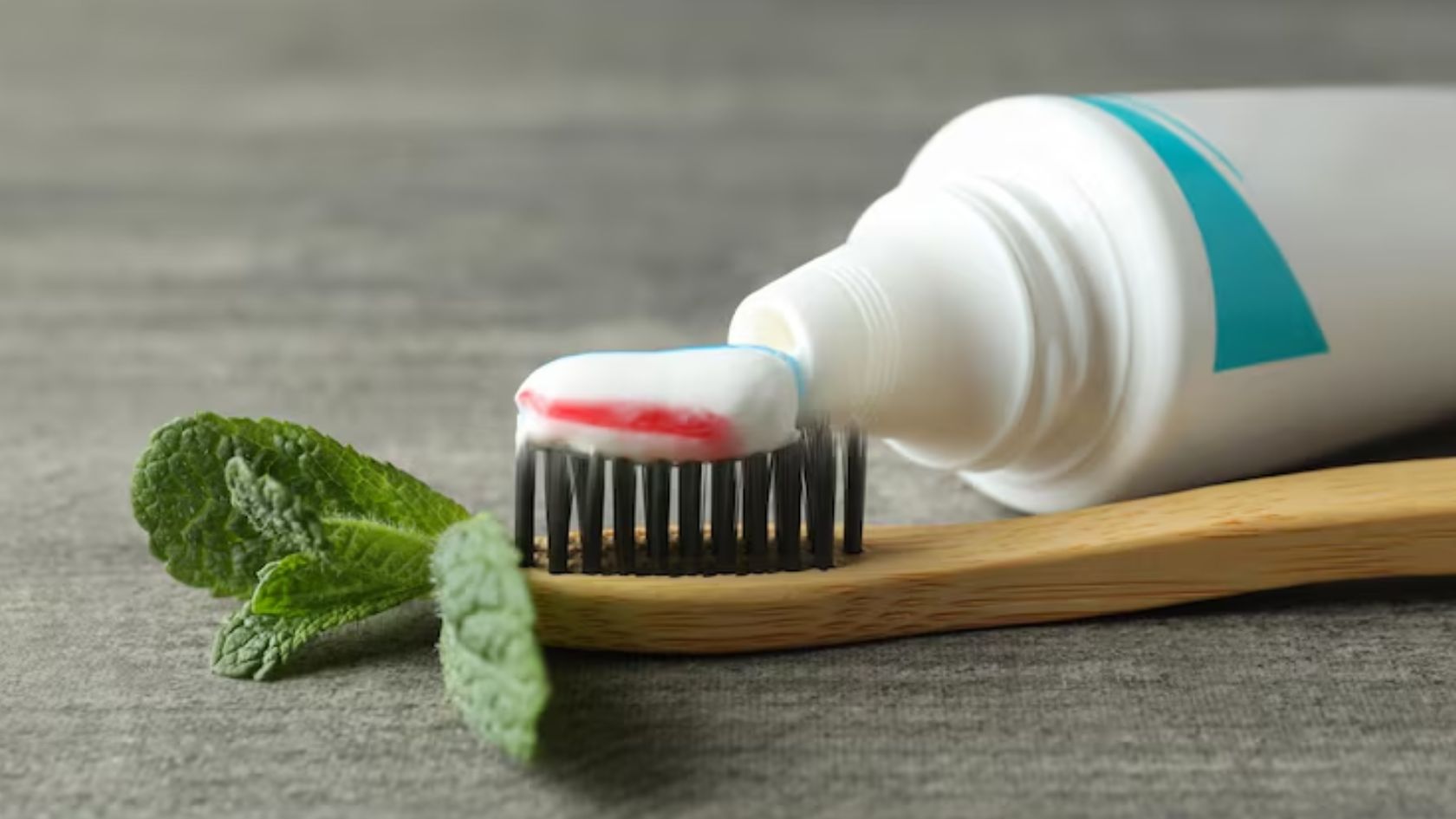
- Adults: A pea-sized amount
- Children under 6: A rice-grain amount. More toothpaste does not mean better cleaning.
Personalized Advice Makes the Difference
There is no one-size-fits-all solution. Your ideal toothbrush and toothpaste depend on:
- Gum health
- Sensitivity
- Cavity risk
- Orthodontic appliances
- Existing dental work
At Kingston Smiles NY, Dr. Ibrahim Sayeed and our team help patients choose products that match their specific oral health needs, so home care truly supports professional treatment.
Schedule Your Preventive Dental Visit
Choosing the right toothbrush and toothpaste is a strong first step, but professional exams and cleanings are essential to keep problems from developing silently.
Address
Kingston Smiles NY
1105 Locust Street, Kingston, New York, NY 12401. (Google Maps Locations)
Call +1 845-336-5855
Email: kingstonsmilesny@gmail.com
Common serving areas- Kingston, Rhinebeck, Saugerties, and the Hudson Valley
FAQ: Toothbrush & Toothpaste Essentials
Is an electric toothbrush better than a manual one?
Yes, for most people. Electric brushes remove up to 21% more plaque and feature built-in timers and pressure sensors to prevent over-brushing. However, a manual brush is effective if you use the correct technique for a full two minutes.
How often should I replace my toothbrush?
Every 3 to 4 months. Replace it immediately if the bristles appear frayed or “shagged,” or after you’ve been sick (cold or flu) to avoid reintroducing bacteria to your mouth.
What is the most important toothpaste ingredient?
Fluoride. It is the gold standard for remineralizing enamel and preventing cavities. If you prefer a fluoride-free option, look for Hydroxyapatite, which uses natural minerals to repair tooth surfaces.
Why do dentists always recommend soft bristles?
Soft bristles clean effectively without the “sandpaper effect.” Hard or medium bristles can permanently wear down your enamel and lead to gum recession, causing increased sensitivity and root exposure.
Should I rinse with water after brushing?
No. Spit, don’t rinse. Rinsing washes away the concentrated fluoride or desensitizing agents before they can fully protect your teeth. Leave the “toothpaste film” on your teeth for maximum benefit.
Does whitening toothpaste actually change my tooth color?
No. Whitening toothpastes only remove surface stains (from coffee or tea). To change the actual shade of your teeth, you need a professional whitening treatment that safely penetrates the enamel.