
Summary
Dental implants are designed as a long-term tooth replacement that can remain stable for decades with healthy bone support, consistent oral hygiene, and regular professional care. Rather than a fixed expiration date, their overall lifespan depends on factors like gum health, smoking habits, medical conditions, and daily maintenance. The implant post and the visible crown are separate components, and they may have different maintenance, repair, or replacement needs.
With healthy bone and gums, good daily care, and regular dental visits, an implant may remain stable and functional for many years or even decades. Some implants can last for life, but no dentist can responsibly guarantee a specific number of years. Overall health, smoking, oral hygiene, gum health, and other clinical factors can all affect how long an implant remains successful.
At Kingston Smiles NY, Dr. Ibrahim Sayeed, DDS, focuses on careful planning and long-term oral health rather than promising a fixed lifespan.
How Long Can a Dental Implant Last?
When patients ask, “How long do dental implants last?”, it helps to understand what the word implant actually means.
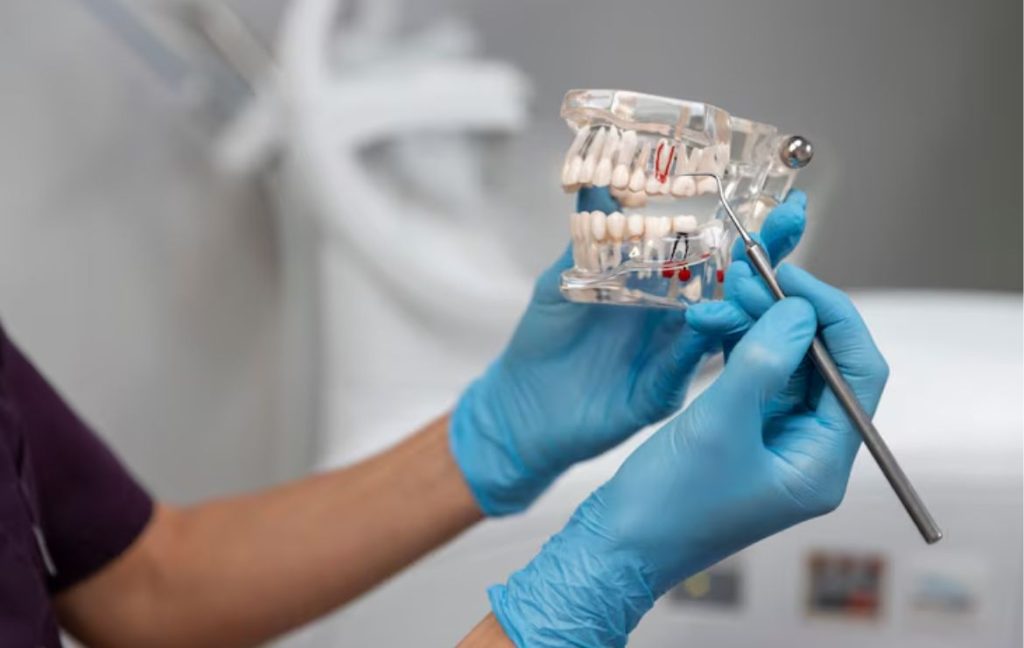
The dental implant is the part placed in the jawbone to replace the root of a missing tooth. An abutment connects the implant to the visible replacement tooth, which may be a crown, bridge, or denture.
The implant body can remain stable for a very long time when it integrates well with the surrounding bone and the tissues remain healthy. The American Dental Association describes implants as a long-term tooth-replacement option, while the American Academy of Periodontology notes that proper home care and professional monitoring are important for their maintenance.
That does not mean every part of an implant-supported tooth will last for exactly the same period.
The Implant and Crown Do Not Have the Same Lifespan
This distinction is often overlooked. The implant inside the jaw may remain healthy while the crown or another restorative component eventually needs repair or replacement. Screws and abutments can also develop problems independently of the implant body. The FDA specifically recognizes loosening of an abutment screw and problems with implant components as possible complications.
So, when an implant-supported tooth needs dental work years later, it does not automatically mean that the implant itself has failed.
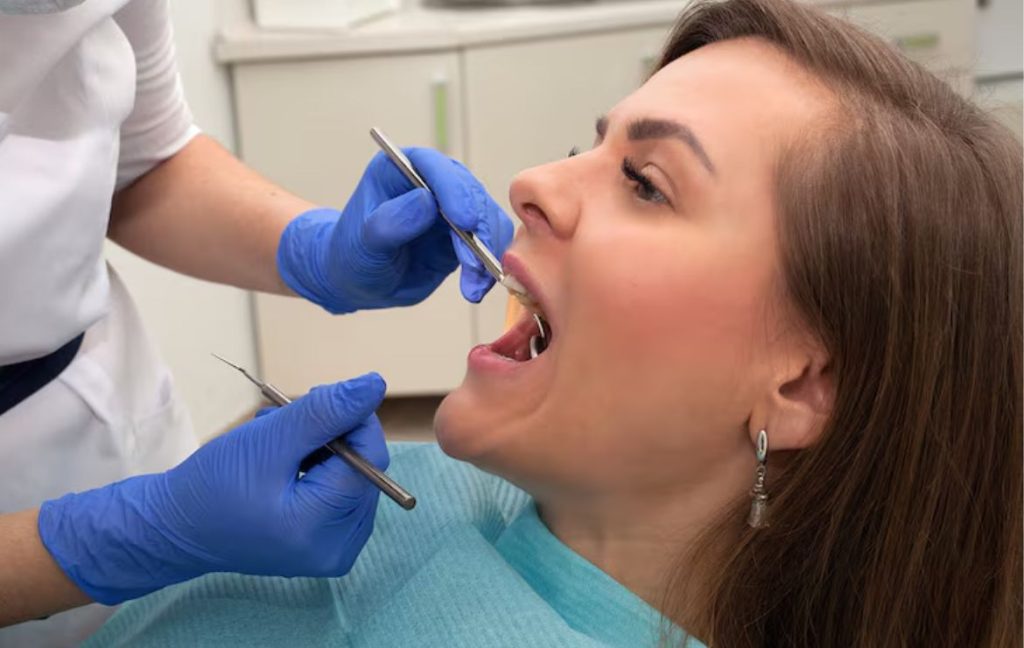
A clinical examination is needed to determine which part of the restoration needs attention.
What Affects Dental Implant Lifespan?
Several factors can influence long-term implant health.
Oral hygiene matters. Plaque and bacteria can affect the gum and bone surrounding an implant just as they affect the tissues around natural teeth. Regular brushing, cleaning between the teeth, and professional care help protect these supporting tissues.
Gum health matters. Peri-implant disease can cause inflammation around an implant and, in more advanced cases, loss of supporting bone. A history of periodontal disease and poor plaque control can increase risk.
Smoking can affect healing and long-term success. The FDA advises that smoking may interfere with healing and reduce the long-term success of dental implants.
Overall health also matters. Medical conditions and the body’s ability to heal can influence implant treatment and longevity. The FDA specifically identifies overall health as an important consideration when determining how long an implant may remain in place.
Finally, the quality and quantity of supporting bone are important during implant planning.
At Kingston Smiles NY, Dr. Sayeed may use 3D CBCT imaging when clinically appropriate to evaluate the bone and surrounding anatomy before treatment.
How Can You Help a Dental Implant Last Longer?
Implants do not develop cavities, but the tissues supporting them still require regular care.
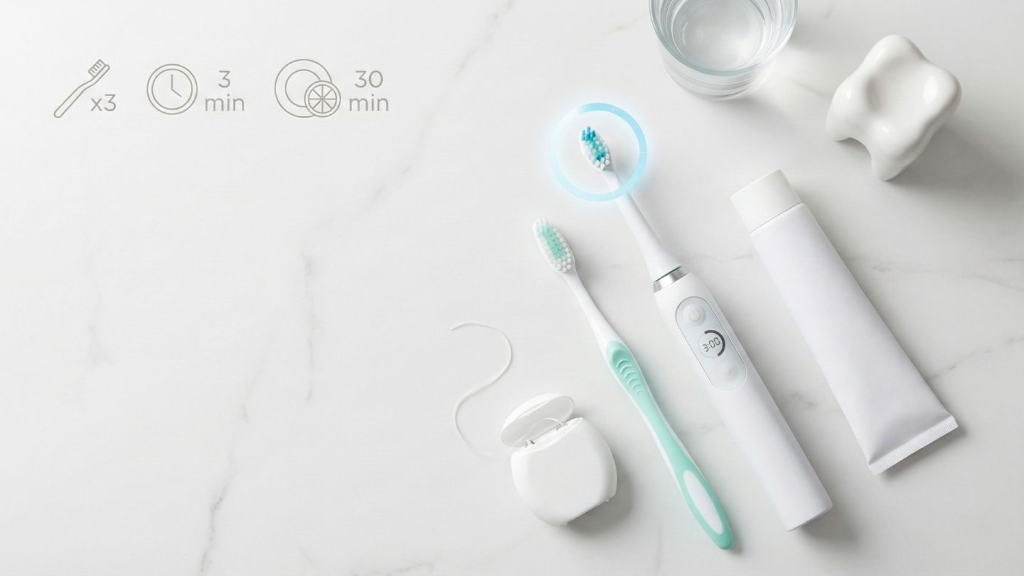
A good long-term routine includes brushing carefully around the implant, cleaning between teeth and restorations, attending recommended dental checkups and teeth cleanings, and addressing changes around the implant before they become larger problems. Both the FDA and American Academy of Periodontology recommend regular professional monitoring and consistent home care.
If you grind or clench your teeth, mention it at your dental visits so your bite and any restorations can be evaluated.
The goal is simple: protect the bone, gums, and restoration that allow the implant to function.
Signs a Dental Implant May Need Attention
An implant problem is not always painful at first. Contact your dentist if you notice loosening, persistent pain, redness or tenderness around the implant, bleeding when brushing, swelling, or a noticeable change in how the implant-supported tooth feels when you bite. The FDA specifically advises patients to contact their dental provider if an implant feels loose or painful, while the American Academy of Periodontology identifies redness, tenderness, and bleeding as signs associated with peri-implant disease.
Finding the cause early may allow a more conservative approach than waiting until significant tissue or bone damage has developed.
Frequently Asked Questions
Can Dental Implants Last a Lifetime?
They can in some patients, but lifetime success cannot be guaranteed. Implant longevity depends on the health of the surrounding tissues, oral hygiene, medical factors, smoking, professional maintenance, and other individual considerations.
What Causes Dental Implant Failure?
Possible causes include infection around the implant, loss of supporting bone, poor healing, untreated periodontal disease, smoking-related healing problems, and other medical or mechanical complications.
How Do I Know If My Dental Implant Is Failing?
A loose implant, persistent pain, swelling, bleeding, or tenderness around the implant should be evaluated. These symptoms do not automatically mean the implant has failed, but they should not be ignored.
Protect the Years Ahead of Your Implant
The better question is not simply “How many years will my dental implant last?” It is “What can we do now to give this implant the strongest foundation for long-term health?”
Dr. Ibrahim Sayeed, DDS, earned his dental degree from the University of the Pacific School of Dentistry and completed his General Practice Residency at NY-Brookdale Hospital Medical Center. At Kingston Smiles NY, his conservative approach focuses on clinical precision, 3D CBCT imaging when clinically appropriate, and treatment recommendations supported by clinical findings.
Don’t delay your oral health. Experience precise, stress-free diagnostics with advanced 3D CBCT imaging and a conservative approach focused entirely on your long-term wellness. Click here to secure your priority appointment online or call 845-336-5855.
Resources: