TL;DR:
Dental pain can often be managed temporarily with safe home care, such as rinses or pain relievers, but persistent or worsening pain requires prompt professional dental evaluation and appropriate treatment to prevent serious complications and long-term damage.
Safe & Effective Ways to Relieve Dental Pain at Home (Kingston, NY)
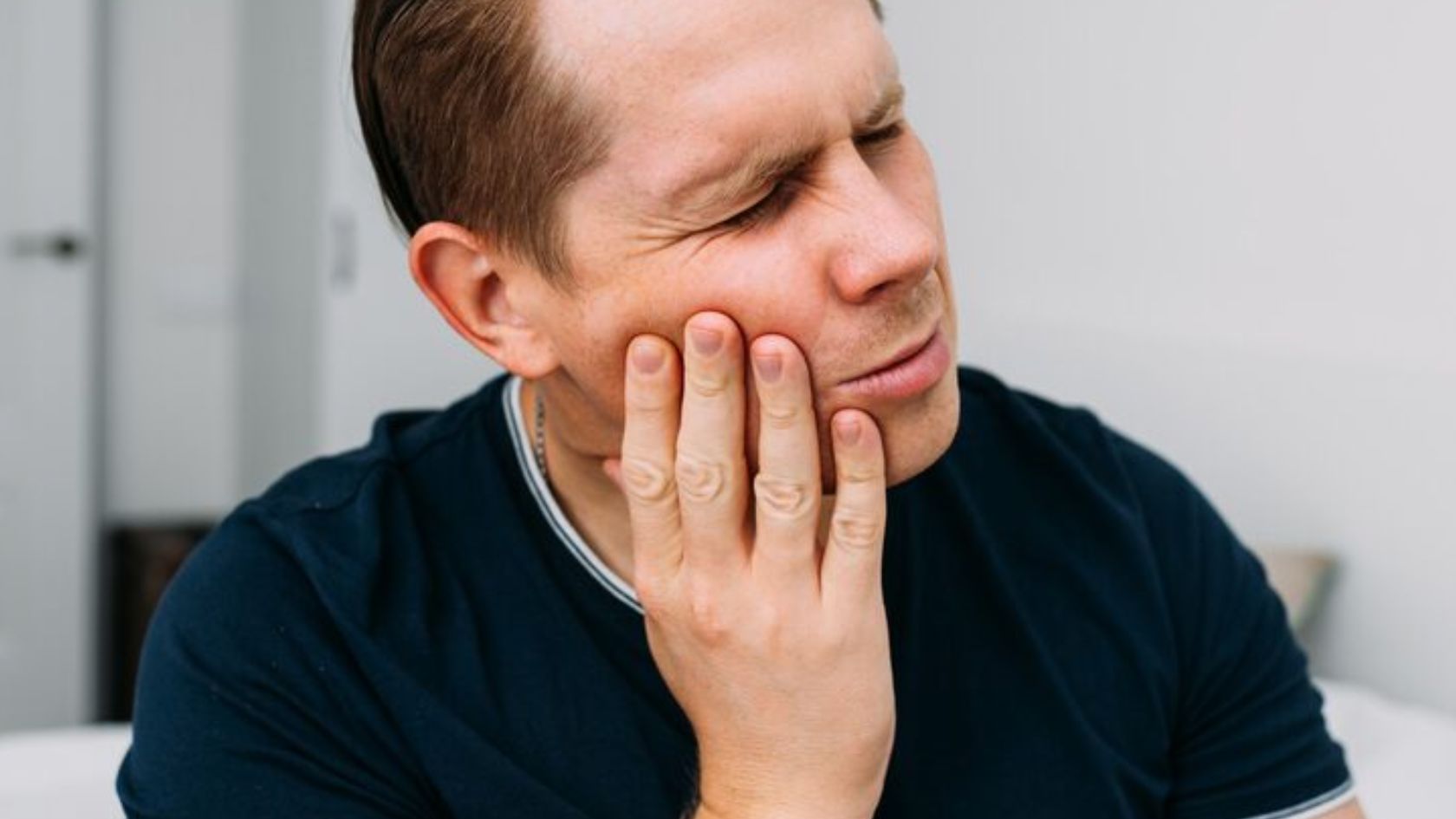
Dental pain can strike suddenly, often at night or over the weekend, leaving many people searching online for “how to stop tooth pain fast,” “toothache home remedies,” or “dental pain relief before the dentist.” While professional care is always necessary to treat the root cause, there are safe, temporary steps you can take to manage discomfort until you see a dentist.
At Kingston Smiles NY, we want patients across Kingston, Rhinebeck, Saugerties, and the Hudson Valley to stay safe, informed, and comfortable. This guide explains what helps, what to avoid, and when dental pain becomes an emergency.
Common Causes of Dental Pain
Understanding the source helps explain why pain relief is often temporary.
| Symptom | Likely Cause | Urgency Level | Recommended Action |
|---|---|---|---|
| Sharp pain when biting | Cracked tooth or loose filling | Moderate | Call for an appointment soon. |
| Sensitivity to hot/cold | Cavity or thinning of enamel | Low | Use sensitive toothpaste; book a check-up. |
| Constant, throbbing pain | Deep decay or infected nerve | High | See a dentist within 24–48 hours. |
| Severe swelling & fever | Dental Abscess (Infection) | EMERGENCY | Call Kingston Smiles NY immediately. |
If pain persists, worsens, or is accompanied by swelling or fever, professional evaluation is essential.
How to Relieve Tooth Pain at Home (Safely)
1. Rinse with Warm Salt Water:
Salt water helps reduce bacteria, soothe irritated gums, and ease mild inflammation.
How to use:
Mix ½ teaspoon of salt into a glass of warm water, gently swish for 30 seconds, then spit. Repeat 3–4 times daily if needed.
2. Take Over-the-Counter Pain Relievers
Over-the-counter medications can help manage discomfort until you see a dentist.
- Ibuprofen (Advil) or acetaminophen (Tylenol) can reduce pain and inflammation
- Always follow dosage instructions carefully
Important Note: Never place aspirin directly against the aching tooth or gums. This is a common myth that can lead to severe chemical burns on your soft tissue.
3. Use a Cold Compress for Swelling
A cold compress helps reduce swelling and temporarily numb pain.
How to do it:
Apply a cold pack (or a bag of frozen peas wrapped in a towel) to the outside of your cheek for 15 minutes on, 15 minutes off. This constricts blood vessels and numbs the area.
4. Gently Remove Trapped Food
Food lodged between teeth can worsen pain and inflammation.
Use waxed dental floss or a water flosser to gently remove debris. Never use sharp objects, pins, or toothpicks, which can damage gums and enamel.
5. Elevate Your Head When Lying Down
Tooth pain often feels worse at night.
Keeping your head elevated with an extra pillow helps reduce blood pressure in the affected area, which can lessen throbbing or pulsing pain.
What NOT to Do for Tooth Pain
Many online “home remedies” can make things worse.
- Do NOT apply aspirin to gums
- Do NOT use clove oil directly without a cotton swab
- Do NOT use needles, pins, or metal tools
- Do NOT ignore swelling or pus
These can cause burns, infections, or delay proper treatment.
When is Dental Pain a “Real” Emergency?
While most toothaches can wait a few hours, searches like “severe tooth pain emergency dentist near me” often apply if you experience:
- Facial swelling or spreading redness
- Fever with tooth pain
- Throbbing pain that won’t stop
- A pimple-like bump on the gum (possible abscess)
- Trauma causing a broken or knocked-out tooth
These require urgent dental care, not home treatment.
Why Temporary Relief Is Not Enough
Pain relief does not cure dental problems. Cavities grow, infections spread, and cracked teeth weaken over time. Delaying care can turn a simple filling into a root canal, crown, or tooth extraction.
Early treatment is:
- Less invasive
- Less expensive
- More comfortable
Trusted Dental Pain Care in Kingston, NY
At Kingston Smiles NY, Dr Ibrahim Sayeed and our experienced team provide:
- Care led by Dr Ibrahim Sayeed, DDS, a trusted general dentist serving Kingston and the Hudson Valley
- Extensive experience in diagnosing and treating dental pain, infections, and urgent dental conditions
- Advanced training in restorative and preventive dentistry, including dental crowns, root canals, and emergency care
- Prompt evaluation to identify the root cause of pain, not just mask symptoms
- Modern digital X-rays and intraoral imaging for accurate, low-radiation diagnosis
- Gentle, patient-focused treatment designed to reduce anxiety and discomfort
Seeking Emergency Dentistry in Kingston, NY
If you’re searching for “tooth pain relief Kingston, NY” or “emergency dentist near me,” don’t wait. Managing pain at home is only temporary. Make an online appointment or contact at dental clinic
Kingston Smiles NY
1105 Locust Street, Kingston, New York, NY 12401
Call +1 845-336-5855
Email: kingstonsmilesny@gmail.com
Fast, compassionate care when you need it most